Buy dragons-shop.com ?
We are moving the project
dragons-shop.com .
Are you interested in purchasing the domain
dragons-shop.com ?
domain@kv-gmbh.de · 0541-91531010
Buy dragons-shop.com ?
Is suspension polymerization a radical polymerization?
Yes, suspension polymerization is a type of radical polymerization. In suspension polymerization, monomers are dispersed in a liquid phase and polymerization is initiated by free radicals. These free radicals are typically generated through the use of initiators, such as peroxides, which break down to form reactive species that initiate the polymerization process. The formation of polymer chains through the addition of monomers to these radicals is a characteristic feature of radical polymerization. **
What is the difference between polymerization and radical polymerization?
Polymerization is the process of combining small molecules (monomers) to form a large molecule (polymer). Radical polymerization is a type of polymerization that involves the use of free radicals to initiate the polymerization reaction. The main difference between polymerization and radical polymerization is the mechanism of initiation. In polymerization, the reaction can be initiated by various methods such as heat, light, or a catalyst, while radical polymerization specifically involves the use of free radicals to start the reaction. Radical polymerization is often used to produce polymers with specific properties, such as high flexibility or toughness. **

Similar search terms for Polymerization
Top-Angebote
Products related to Polymerization:
-
Uplift Curations Game Of Thrones Tapestry Flag Medieval Fantasy Wall Banner blackTurn your space into a scene straight out of Westeros. This Game of Thrones tapestry brings bold, cinematic energy to any room, instantly elevating plain walls into a powerful display of fandom. Designed for fans, collectors, and themed spaces, it...82,50 $*Shipping: 0,00 $Secure redirect to the provider
-
Inspire Curations 45 150cm Game Of Thrones Tapestry Flag Medieval Fantasy Wall Banner Decor blueBring the power and drama of Westeros into your space with this bold Game of Thrones tapestry flag. Featuring iconic houseinspired designs and rich colors, it instantly transforms any wall into a statement of fandom and style. Whether you're...80,50 $*Shipping: 0,00 $Secure redirect to the provider
-
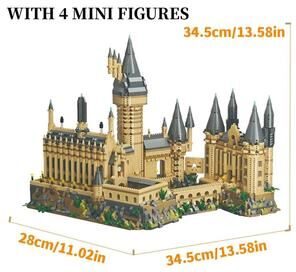
Inspire Select Medieval Magic Castle Micro Building Blocks Fantasy Palace DIY Bricks Set with LightBring fantasy adventures to life with this beautifully detailed magic castle building blocks set designed for creative minds and fantasy lovers. Featuring intricate architecture and enchanting palaceinspired details, this micro bricks castle model...197,98 $*Shipping: 0,00 $Secure redirect to the provider
-
Uplift Curations Game Of Thrones Tapestry Flag Medieval Fantasy Wall Banner redTurn your space into a scene straight out of Westeros. This Game of Thrones tapestry brings bold, cinematic energy to any room, instantly elevating plain walls into a powerful display of fandom. Designed for fans, collectors, and themed spaces, it...82,50 $*Shipping: 0,00 $Secure redirect to the provider




-
What are branches in radical polymerization?
Branches in radical polymerization refer to side chains that extend from the main polymer chain. These side chains can result from the presence of branching agents or from chain transfer reactions during the polymerization process. Branches can affect the properties of the polymer, such as its mechanical strength, flexibility, and thermal properties. Controlling the branching in radical polymerization is important for tailoring the properties of the final polymer product. **
-
Would fire-breathing dragons be biologically possible?
No, fire-breathing dragons would not be biologically possible. The ability to breathe fire would require a biological mechanism to produce and expel a flammable substance, as well as a way to ignite it. There are no known biological systems that could accomplish this, and the energy required to produce and expel fire would be impractical for a living organism. Additionally, the heat and pressure from breathing fire would likely be harmful to the dragon's own body. Therefore, fire-breathing dragons are purely a product of mythology and fiction. **
-
How does the polymerization of polystyrene occur?
Polystyrene polymerization occurs through a process called chain-growth polymerization. This process involves the repeated addition of monomer units (styrene molecules) to a growing polymer chain. It is initiated by a catalyst or initiator, which starts the reaction by breaking a chemical bond in the monomer. This creates a reactive site that can then bond with another monomer, leading to the formation of a polymer chain. As more and more monomers are added, the polymer chain grows in length, resulting in the formation of polystyrene. **
-
What is the difference between polymerization and polycondensation?
Polymerization is a process where monomers are chemically bonded together to form a polymer without the formation of any byproducts. On the other hand, polycondensation is a specific type of polymerization where the reaction involves the elimination of small molecules, such as water or alcohol, as byproducts. This means that in polycondensation, the polymer is formed through the condensation of two different functional groups, leading to the release of a small molecule. **

How can branching occur in a radical polymerization?
Branching can occur in radical polymerization when a polymer chain reacts with a monomer to form a new chain, resulting in the formation of a branch point. This can happen when a growing polymer chain reacts with a monomer that has multiple reactive sites, leading to the formation of a branch. Additionally, termination reactions can also lead to branching when two growing polymer chains react with each other, forming a branched structure. Branching can impact the properties of the polymer, such as its mechanical and thermal properties, and can be controlled by adjusting the reaction conditions and monomer structure. **
What are the main differences between polymerization and polycondensation?
Polymerization is a process in which monomers are linked together to form a polymer without the formation of any byproducts, while polycondensation is a process in which two different monomers react to form a polymer along with the release of small molecules like water or alcohol. In polymerization, the reaction typically involves the same type of monomers, leading to a linear or branched polymer structure, whereas polycondensation involves the reaction of different monomers, resulting in a more complex polymer structure. Additionally, polymerization is often a faster process compared to polycondensation, which can be slower due to the release of byproducts. **
Top-Angebote
Products related to Polymerization:
-
Youfap Market Glass Painted Acrylic Window Hanging, Mythical Fire Phoenix & Turtle Sun Catcher, Porch Pendant Decoration birdSymbolic Beauty That Feels Personal Bring powerful symbolism and visual warmth into your space with the Mythical Fire Phoenix & Turtle Sun Catcher, designed to reflect renewal, protection, and harmony. Crafted as a Glass Painted Acrylic window...34,97 $*Shipping: 0,00 $Secure redirect to the provider
-
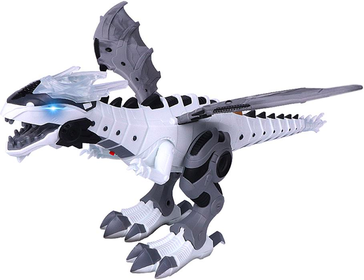
Playful Picks Fire Breathing Roaring Dragon Toy Interactive Walking Dinosaur WhiteIgnite your child's imagination with the Fire Breathing Roaring Dragon Toy, an extraordinary interactive walking dinosaur that transports young adventurers to a prehistoric world filled with aweinspiring dragons and mighty dinosaurs. Perfect for...39,97 $*Shipping: 0,00 $Secure redirect to the provider
-
Uplift Curations Game Of Thrones Tapestry Flag Medieval Fantasy Wall Banner blackTurn your space into a scene straight out of Westeros. This Game of Thrones tapestry brings bold, cinematic energy to any room, instantly elevating plain walls into a powerful display of fandom. Designed for fans, collectors, and themed spaces, it...82,50 $*Shipping: 0,00 $Secure redirect to the provider
-
Inspire Curations 45 150cm Game Of Thrones Tapestry Flag Medieval Fantasy Wall Banner Decor blueBring the power and drama of Westeros into your space with this bold Game of Thrones tapestry flag. Featuring iconic houseinspired designs and rich colors, it instantly transforms any wall into a statement of fandom and style. Whether you're...80,50 $*Shipping: 0,00 $Secure redirect to the provider
-
Is suspension polymerization a radical polymerization?
Yes, suspension polymerization is a type of radical polymerization. In suspension polymerization, monomers are dispersed in a liquid phase and polymerization is initiated by free radicals. These free radicals are typically generated through the use of initiators, such as peroxides, which break down to form reactive species that initiate the polymerization process. The formation of polymer chains through the addition of monomers to these radicals is a characteristic feature of radical polymerization. **
-
What is the difference between polymerization and radical polymerization?
Polymerization is the process of combining small molecules (monomers) to form a large molecule (polymer). Radical polymerization is a type of polymerization that involves the use of free radicals to initiate the polymerization reaction. The main difference between polymerization and radical polymerization is the mechanism of initiation. In polymerization, the reaction can be initiated by various methods such as heat, light, or a catalyst, while radical polymerization specifically involves the use of free radicals to start the reaction. Radical polymerization is often used to produce polymers with specific properties, such as high flexibility or toughness. **
-
What are branches in radical polymerization?
Branches in radical polymerization refer to side chains that extend from the main polymer chain. These side chains can result from the presence of branching agents or from chain transfer reactions during the polymerization process. Branches can affect the properties of the polymer, such as its mechanical strength, flexibility, and thermal properties. Controlling the branching in radical polymerization is important for tailoring the properties of the final polymer product. **
-
Would fire-breathing dragons be biologically possible?
No, fire-breathing dragons would not be biologically possible. The ability to breathe fire would require a biological mechanism to produce and expel a flammable substance, as well as a way to ignite it. There are no known biological systems that could accomplish this, and the energy required to produce and expel fire would be impractical for a living organism. Additionally, the heat and pressure from breathing fire would likely be harmful to the dragon's own body. Therefore, fire-breathing dragons are purely a product of mythology and fiction. **
Similar search terms for Polymerization
-
Inspire Select Medieval Magic Castle Micro Building Blocks Fantasy Palace DIY Bricks Set with LightBring fantasy adventures to life with this beautifully detailed magic castle building blocks set designed for creative minds and fantasy lovers. Featuring intricate architecture and enchanting palaceinspired details, this micro bricks castle model...197,98 $*Shipping: 0,00 $Secure redirect to the provider
-
Uplift Curations Game Of Thrones Tapestry Flag Medieval Fantasy Wall Banner redTurn your space into a scene straight out of Westeros. This Game of Thrones tapestry brings bold, cinematic energy to any room, instantly elevating plain walls into a powerful display of fandom. Designed for fans, collectors, and themed spaces, it...82,50 $*Shipping: 0,00 $Secure redirect to the provider
-
Uplift Curations Game Of Thrones Tapestry Flag Medieval Fantasy Wall Banner red BlackTurn your space into a scene straight out of Westeros. This Game of Thrones tapestry brings bold, cinematic energy to any room, instantly elevating plain walls into a powerful display of fandom. Designed for fans, collectors, and themed spaces, it...82,50 $*Shipping: 0,00 $Secure redirect to the provider
-
Inspire Select Medieval Magic Castle Micro Building Blocks Fantasy Palace DIY Bricks Set no LightBring fantasy adventures to life with this beautifully detailed magic castle building blocks set designed for creative minds and fantasy lovers. Featuring intricate architecture and enchanting palaceinspired details, this micro bricks castle model...192,98 $*Shipping: 0,00 $Secure redirect to the provider
-
How does the polymerization of polystyrene occur?
Polystyrene polymerization occurs through a process called chain-growth polymerization. This process involves the repeated addition of monomer units (styrene molecules) to a growing polymer chain. It is initiated by a catalyst or initiator, which starts the reaction by breaking a chemical bond in the monomer. This creates a reactive site that can then bond with another monomer, leading to the formation of a polymer chain. As more and more monomers are added, the polymer chain grows in length, resulting in the formation of polystyrene. **
-
What is the difference between polymerization and polycondensation?
Polymerization is a process where monomers are chemically bonded together to form a polymer without the formation of any byproducts. On the other hand, polycondensation is a specific type of polymerization where the reaction involves the elimination of small molecules, such as water or alcohol, as byproducts. This means that in polycondensation, the polymer is formed through the condensation of two different functional groups, leading to the release of a small molecule. **
-
How can branching occur in a radical polymerization?
Branching can occur in radical polymerization when a polymer chain reacts with a monomer to form a new chain, resulting in the formation of a branch point. This can happen when a growing polymer chain reacts with a monomer that has multiple reactive sites, leading to the formation of a branch. Additionally, termination reactions can also lead to branching when two growing polymer chains react with each other, forming a branched structure. Branching can impact the properties of the polymer, such as its mechanical and thermal properties, and can be controlled by adjusting the reaction conditions and monomer structure. **
-
What are the main differences between polymerization and polycondensation?
Polymerization is a process in which monomers are linked together to form a polymer without the formation of any byproducts, while polycondensation is a process in which two different monomers react to form a polymer along with the release of small molecules like water or alcohol. In polymerization, the reaction typically involves the same type of monomers, leading to a linear or branched polymer structure, whereas polycondensation involves the reaction of different monomers, resulting in a more complex polymer structure. Additionally, polymerization is often a faster process compared to polycondensation, which can be slower due to the release of byproducts. **
* All prices are inclusive of VAT and, if applicable, plus shipping costs. The offer information is based on the details provided by the respective shop and is updated through automated processes. Real-time updates do not occur, so deviations can occur in individual cases. ** Note: Parts of this content were created by AI.