Buy dragons-shop.com ?
We are moving the project
dragons-shop.com .
Are you interested in purchasing the domain
dragons-shop.com ?
domain@kv-gmbh.de · 0541-91531010
Buy dragons-shop.com ?
What destroys methane?
Methane can be destroyed through a process called oxidation, where it reacts with oxygen in the atmosphere to form carbon dioxide and water. This process can occur naturally in the atmosphere, as well as through the action of certain bacteria in the soil and water. Additionally, methane can be destroyed through chemical reactions with other compounds, such as chlorine or hydroxyl radicals. These processes help to reduce the concentration of methane in the atmosphere, which is important for mitigating its impact on climate change. **
Would fire-breathing dragons be biologically possible?
No, fire-breathing dragons would not be biologically possible. The ability to breathe fire would require a biological mechanism to produce and expel a flammable substance, as well as a way to ignite it. There are no known biological systems that could accomplish this, and the energy required to produce and expel fire would be impractical for a living organism. Additionally, the heat and pressure from breathing fire would likely be harmful to the dragon's own body. Therefore, fire-breathing dragons are purely a product of mythology and fiction. **


Similar search terms for Methane
Top-Angebote
Products related to Methane:
-
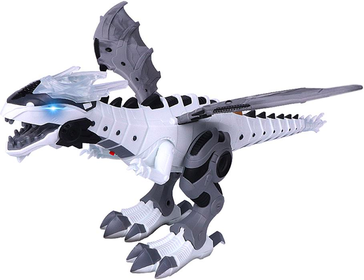
Playful Picks Fire Breathing Roaring Dragon Toy Interactive Walking Dinosaur WhiteIgnite your child's imagination with the Fire Breathing Roaring Dragon Toy, an extraordinary interactive walking dinosaur that transports young adventurers to a prehistoric world filled with aweinspiring dragons and mighty dinosaurs. Perfect for...39,97 $*Shipping: 0,00 $Secure redirect to the provider
-
Does cheese contain methane?
Yes, cheese does contain methane. Methane is a natural byproduct of the fermentation process that occurs during the production of cheese. It is produced by the bacteria that are used to ferment the milk and create the cheese. However, the amount of methane in cheese is relatively small compared to other sources of methane emissions in the environment. **
-
What is liquid methane?
Liquid methane is a colorless, odorless, and non-toxic liquid that is derived from natural gas. It has a boiling point of approximately -161 degrees Celsius and is commonly used as a fuel source for vehicles and industrial processes. It is also being explored as a potential energy source for future space missions due to its abundance on other planets, such as Mars and Titan. **
-
How is methane converted?
Methane can be converted through a process called steam reforming, which involves reacting methane with steam at high temperatures and pressures to produce hydrogen and carbon monoxide. Another method is methane combustion, where methane is burned in the presence of oxygen to produce carbon dioxide and water. Additionally, methane can be converted into methanol through a process called catalytic oxidation. These processes are important for converting methane into more useful and less environmentally impactful products. **
-
What are methane bacteria?
Methane bacteria, also known as methanogens, are a type of microorganism that produce methane as a byproduct of their metabolism. They are found in environments with low oxygen levels, such as wetlands, marshes, and the digestive tracts of animals. Methane bacteria play a crucial role in the global carbon cycle by converting organic matter into methane gas. This process is important for the decomposition of organic material and the production of renewable energy sources such as biogas. **
How is methane formed?
Methane is formed through a process called methanogenesis, which occurs in anaerobic (oxygen-free) environments such as wetlands, marshes, and the digestive systems of animals. Methanogenic microorganisms, such as archaea, break down organic matter in these environments, producing methane as a byproduct. This process involves the decomposition of organic materials, such as dead plants and animal waste, by bacteria in the absence of oxygen. As a result, methane is released into the atmosphere as a natural part of the carbon cycle. Additionally, methane can also be formed through human activities such as the production and transportation of natural gas, as well as through the decomposition of organic waste in landfills. **
Why are methane molecules nonpolar?
Methane molecules are nonpolar because the molecule has a symmetrical tetrahedral shape with carbon at the center and four hydrogen atoms at the corners. This symmetrical arrangement results in an equal distribution of charge, with the carbon-hydrogen bonds being nonpolar covalent bonds. As a result, there are no significant differences in electronegativity between carbon and hydrogen, leading to a nonpolar molecule overall. **
Top-Angebote
Products related to Methane:
-
Piccadilly Press The Boy Who Grew Dragons Series 6 Books Collection Set by Andy Shepherd – The Boy Who Grew Dragons, Flew with Dragons & Fun Fantasy Adventure CollectiThe Boy Who Grew Dragons Series 6 Books Collection Set By Andy Shepherd: The Boy Who Grew Dragons: When Tomas discovers a strange old tree at the bottom of his grandad's garden, he doesn't think much of it. But he takes the funny fruit from the tree back into the house - and gets the shock and delight of his life when a tiny dragon hatches! The Boy Who Lived with Dragons: Tomas has a secret - a big secret. He has his own tiny dragon, Flicker! A dragon which grew on a very special tree at the bottom of his grandad's garden. And not only that - his friends Ted, Kai and Kat have dragons too, all grown on the same dragonfruit tree . The Boy Who Flew with Dragons: Tomas can't imagine life without his little dragon Flicker. He's become more than a pet - he's a friend like no other. And growing dragons on the dragonfruit tree in the garden with his friends Ted, Kat and Kai is the most amazing thing ever. The Boy Who Dreamed of Dragons: Eleven-year-old Tomas has a secret friend like no other: Flicker, a dragon with glittering eyes and scales that flicker from fiery orange to ruby red. But Tomas is also having to get used to Flicker being away, now that his dragon's home is back in the frosty North. The Boy Who Sang with Dragons: Tomas is a fully-fledged expert dragon grower and protector of the dragonfruit tree. He has eyes in the back of his head for watching over those sneaky dragons, awesomely fast reflexes for putting out sparks. The Ultimate Guide to Growing Dragons: Tomas, the boy who grew dragons, is officially the Grand High Dragon Master. He's lived with his dragons - Flicker and Zing - and grown dozens more. He's an expert at caring for the dragonfruit tree.26,89 £*Shipping: 2,99 £Secure redirect to the provider
-
Youfap Market Glass Painted Acrylic Window Hanging, Mythical Fire Phoenix & Turtle Sun Catcher, Porch Pendant Decoration birdSymbolic Beauty That Feels Personal Bring powerful symbolism and visual warmth into your space with the Mythical Fire Phoenix & Turtle Sun Catcher, designed to reflect renewal, protection, and harmony. Crafted as a Glass Painted Acrylic window...34,97 $*Shipping: 0,00 $Secure redirect to the provider
-
Playful Picks Fire Breathing Roaring Dragon Toy Interactive Walking Dinosaur WhiteIgnite your child's imagination with the Fire Breathing Roaring Dragon Toy, an extraordinary interactive walking dinosaur that transports young adventurers to a prehistoric world filled with aweinspiring dragons and mighty dinosaurs. Perfect for...39,97 $*Shipping: 0,00 $Secure redirect to the provider
-
What destroys methane?
Methane can be destroyed through a process called oxidation, where it reacts with oxygen in the atmosphere to form carbon dioxide and water. This process can occur naturally in the atmosphere, as well as through the action of certain bacteria in the soil and water. Additionally, methane can be destroyed through chemical reactions with other compounds, such as chlorine or hydroxyl radicals. These processes help to reduce the concentration of methane in the atmosphere, which is important for mitigating its impact on climate change. **
-
Would fire-breathing dragons be biologically possible?
No, fire-breathing dragons would not be biologically possible. The ability to breathe fire would require a biological mechanism to produce and expel a flammable substance, as well as a way to ignite it. There are no known biological systems that could accomplish this, and the energy required to produce and expel fire would be impractical for a living organism. Additionally, the heat and pressure from breathing fire would likely be harmful to the dragon's own body. Therefore, fire-breathing dragons are purely a product of mythology and fiction. **
-
Does cheese contain methane?
Yes, cheese does contain methane. Methane is a natural byproduct of the fermentation process that occurs during the production of cheese. It is produced by the bacteria that are used to ferment the milk and create the cheese. However, the amount of methane in cheese is relatively small compared to other sources of methane emissions in the environment. **
-
What is liquid methane?
Liquid methane is a colorless, odorless, and non-toxic liquid that is derived from natural gas. It has a boiling point of approximately -161 degrees Celsius and is commonly used as a fuel source for vehicles and industrial processes. It is also being explored as a potential energy source for future space missions due to its abundance on other planets, such as Mars and Titan. **
Similar search terms for Methane
-
How is methane converted?
Methane can be converted through a process called steam reforming, which involves reacting methane with steam at high temperatures and pressures to produce hydrogen and carbon monoxide. Another method is methane combustion, where methane is burned in the presence of oxygen to produce carbon dioxide and water. Additionally, methane can be converted into methanol through a process called catalytic oxidation. These processes are important for converting methane into more useful and less environmentally impactful products. **
-
What are methane bacteria?
Methane bacteria, also known as methanogens, are a type of microorganism that produce methane as a byproduct of their metabolism. They are found in environments with low oxygen levels, such as wetlands, marshes, and the digestive tracts of animals. Methane bacteria play a crucial role in the global carbon cycle by converting organic matter into methane gas. This process is important for the decomposition of organic material and the production of renewable energy sources such as biogas. **
-
How is methane formed?
Methane is formed through a process called methanogenesis, which occurs in anaerobic (oxygen-free) environments such as wetlands, marshes, and the digestive systems of animals. Methanogenic microorganisms, such as archaea, break down organic matter in these environments, producing methane as a byproduct. This process involves the decomposition of organic materials, such as dead plants and animal waste, by bacteria in the absence of oxygen. As a result, methane is released into the atmosphere as a natural part of the carbon cycle. Additionally, methane can also be formed through human activities such as the production and transportation of natural gas, as well as through the decomposition of organic waste in landfills. **
-
Why are methane molecules nonpolar?
Methane molecules are nonpolar because the molecule has a symmetrical tetrahedral shape with carbon at the center and four hydrogen atoms at the corners. This symmetrical arrangement results in an equal distribution of charge, with the carbon-hydrogen bonds being nonpolar covalent bonds. As a result, there are no significant differences in electronegativity between carbon and hydrogen, leading to a nonpolar molecule overall. **
* All prices are inclusive of VAT and, if applicable, plus shipping costs. The offer information is based on the details provided by the respective shop and is updated through automated processes. Real-time updates do not occur, so deviations can occur in individual cases. ** Note: Parts of this content were created by AI.