Buy dragons-shop.com ?
We are moving the project
dragons-shop.com .
Are you interested in purchasing the domain
dragons-shop.com ?
domain@kv-gmbh.de · 0541-91531010
Buy dragons-shop.com ?
Would fire-breathing dragons be biologically possible?
No, fire-breathing dragons would not be biologically possible. The ability to breathe fire would require a biological mechanism to produce and expel a flammable substance, as well as a way to ignite it. There are no known biological systems that could accomplish this, and the energy required to produce and expel fire would be impractical for a living organism. Additionally, the heat and pressure from breathing fire would likely be harmful to the dragon's own body. Therefore, fire-breathing dragons are purely a product of mythology and fiction. **
What is the difference between energy conservation and momentum conservation?
Energy conservation refers to the principle that the total energy in a closed system remains constant over time, meaning energy cannot be created or destroyed, only transferred or converted. Momentum conservation, on the other hand, states that the total momentum of a closed system remains constant if no external forces are acting on it. While energy conservation focuses on the total energy of a system, momentum conservation focuses on the total momentum of a system. Both principles are fundamental in understanding and analyzing physical systems, but they address different aspects of motion and energy transfer. **

Similar search terms for Conservation
Top-Angebote
Products related to Conservation:
-
Inspire Daily Merch Newton Balance Pendulum Ball, Physical Science Toy, Energy Conservation Law Desktop Decoration For Office, Holiday Gift bDiscover the Fascinating World of Physics with the Newton Balance Pendulum Ball This Physical Science Toy is more than just a decorationit's a fun, interactive way to experience the Energy Conservation Law. Perfect for science enthusiasts, this...37,97 $*Shipping: 0,00 $Secure redirect to the provider
-
Piccadilly Press The Boy Who Grew Dragons Series 6 Books Collection Set by Andy Shepherd – The Boy Who Grew Dragons, Flew with Dragons & Fun Fantasy Adventure CollectiThe Boy Who Grew Dragons Series 6 Books Collection Set By Andy Shepherd: The Boy Who Grew Dragons: When Tomas discovers a strange old tree at the bottom of his grandad's garden, he doesn't think much of it. But he takes the funny fruit from the tree back into the house - and gets the shock and delight of his life when a tiny dragon hatches! The Boy Who Lived with Dragons: Tomas has a secret - a big secret. He has his own tiny dragon, Flicker! A dragon which grew on a very special tree at the bottom of his grandad's garden. And not only that - his friends Ted, Kai and Kat have dragons too, all grown on the same dragonfruit tree . The Boy Who Flew with Dragons: Tomas can't imagine life without his little dragon Flicker. He's become more than a pet - he's a friend like no other. And growing dragons on the dragonfruit tree in the garden with his friends Ted, Kat and Kai is the most amazing thing ever. The Boy Who Dreamed of Dragons: Eleven-year-old Tomas has a secret friend like no other: Flicker, a dragon with glittering eyes and scales that flicker from fiery orange to ruby red. But Tomas is also having to get used to Flicker being away, now that his dragon's home is back in the frosty North. The Boy Who Sang with Dragons: Tomas is a fully-fledged expert dragon grower and protector of the dragonfruit tree. He has eyes in the back of his head for watching over those sneaky dragons, awesomely fast reflexes for putting out sparks. The Ultimate Guide to Growing Dragons: Tomas, the boy who grew dragons, is officially the Grand High Dragon Master. He's lived with his dragons - Flicker and Zing - and grown dozens more. He's an expert at caring for the dragonfruit tree.26,89 £*Shipping: 2,99 £Secure redirect to the provider
-
Youfap Market Glass Painted Acrylic Window Hanging, Mythical Fire Phoenix & Turtle Sun Catcher, Porch Pendant Decoration birdSymbolic Beauty That Feels Personal Bring powerful symbolism and visual warmth into your space with the Mythical Fire Phoenix & Turtle Sun Catcher, designed to reflect renewal, protection, and harmony. Crafted as a Glass Painted Acrylic window...34,97 $*Shipping: 0,00 $Secure redirect to the provider
-
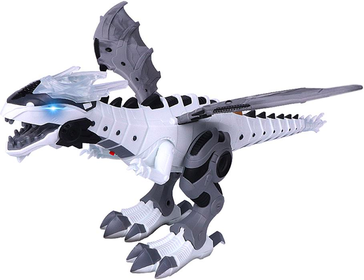
Playful Picks Fire Breathing Roaring Dragon Toy Interactive Walking Dinosaur WhiteIgnite your child's imagination with the Fire Breathing Roaring Dragon Toy, an extraordinary interactive walking dinosaur that transports young adventurers to a prehistoric world filled with aweinspiring dragons and mighty dinosaurs. Perfect for...39,97 $*Shipping: 0,00 $Secure redirect to the provider



-
What is energy conservation?
Energy conservation refers to the practice of reducing the amount of energy used while still achieving the same level of productivity or comfort. This can be achieved through various methods such as using energy-efficient appliances, improving insulation in buildings, and reducing unnecessary energy consumption. Energy conservation is important in order to reduce greenhouse gas emissions, lower energy costs, and preserve natural resources for future generations. **
-
What does charge conservation mean?
Charge conservation means that the total electric charge in a closed system remains constant over time. This principle is based on the fact that electric charge cannot be created or destroyed, only transferred from one object to another. In other words, the total amount of positive charge in a system must equal the total amount of negative charge. Charge conservation is a fundamental principle in physics and is essential for understanding the behavior of electric and magnetic fields. **
-
What is the conservation of energy?
The conservation of energy is a fundamental principle in physics that states that energy cannot be created or destroyed, only transferred or transformed from one form to another. This means that the total energy in a closed system remains constant over time. In other words, energy can change from potential to kinetic, thermal, or other forms, but the total amount of energy in the system remains the same. This principle is crucial in understanding and analyzing various physical phenomena and is a cornerstone of many scientific theories and laws. **
-
Are slugs protected under species conservation?
Slugs are not typically protected under species conservation laws. They are not considered endangered or threatened species, and are often seen as pests due to their tendency to feed on plants in gardens. However, some species of slugs may be protected in certain regions if they are considered to be of ecological importance or facing threats to their populations. It is important to check local conservation laws and regulations to determine the status of slugs in a specific area. **


Are jellyfish protected by conservation laws?
Jellyfish are not typically protected by conservation laws in the same way that other species are. This is because jellyfish populations are not currently at risk of extinction and are considered to be abundant in many parts of the world. However, some specific species of jellyfish may be protected in certain regions due to their ecological importance or cultural significance. Overall, jellyfish conservation efforts tend to focus on understanding their role in marine ecosystems and mitigating the impacts of human activities on their populations. **
What are tasks for energy conservation?
Tasks for energy conservation include reducing energy consumption by turning off lights and electronics when not in use, using energy-efficient appliances and light bulbs, improving insulation and sealing air leaks in buildings, and using renewable energy sources such as solar or wind power. Additionally, practicing energy-saving habits such as adjusting thermostats, using natural light, and minimizing water usage can also contribute to energy conservation efforts. Overall, the goal is to reduce energy waste and promote sustainable energy practices to minimize environmental impact and save on energy costs. **
Top-Angebote
Products related to Conservation:
-
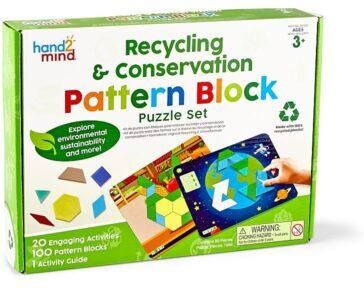
Scholastic Recycling & Conservation Pattern Block Puzzle SetFrom planting flowers to using less water, this set helps children learn the basics of sustainability and our environment. Children complete the 20 engaging activities, and the included Activity Guide provides tips on how to live a more sustainable...24,99 $*Shipping: 0,00 $Secure redirect to the provider
-
Inspire Daily Merch Newton Balance Pendulum Ball, Physical Science Toy, Energy Conservation Law Desktop Decoration For Office, Holiday Gift bDiscover the Fascinating World of Physics with the Newton Balance Pendulum Ball This Physical Science Toy is more than just a decorationit's a fun, interactive way to experience the Energy Conservation Law. Perfect for science enthusiasts, this...37,97 $*Shipping: 0,00 $Secure redirect to the provider
-
Piccadilly Press The Boy Who Grew Dragons Series 6 Books Collection Set by Andy Shepherd – The Boy Who Grew Dragons, Flew with Dragons & Fun Fantasy Adventure CollectiThe Boy Who Grew Dragons Series 6 Books Collection Set By Andy Shepherd: The Boy Who Grew Dragons: When Tomas discovers a strange old tree at the bottom of his grandad's garden, he doesn't think much of it. But he takes the funny fruit from the tree back into the house - and gets the shock and delight of his life when a tiny dragon hatches! The Boy Who Lived with Dragons: Tomas has a secret - a big secret. He has his own tiny dragon, Flicker! A dragon which grew on a very special tree at the bottom of his grandad's garden. And not only that - his friends Ted, Kai and Kat have dragons too, all grown on the same dragonfruit tree . The Boy Who Flew with Dragons: Tomas can't imagine life without his little dragon Flicker. He's become more than a pet - he's a friend like no other. And growing dragons on the dragonfruit tree in the garden with his friends Ted, Kat and Kai is the most amazing thing ever. The Boy Who Dreamed of Dragons: Eleven-year-old Tomas has a secret friend like no other: Flicker, a dragon with glittering eyes and scales that flicker from fiery orange to ruby red. But Tomas is also having to get used to Flicker being away, now that his dragon's home is back in the frosty North. The Boy Who Sang with Dragons: Tomas is a fully-fledged expert dragon grower and protector of the dragonfruit tree. He has eyes in the back of his head for watching over those sneaky dragons, awesomely fast reflexes for putting out sparks. The Ultimate Guide to Growing Dragons: Tomas, the boy who grew dragons, is officially the Grand High Dragon Master. He's lived with his dragons - Flicker and Zing - and grown dozens more. He's an expert at caring for the dragonfruit tree.26,89 £*Shipping: 2,99 £Secure redirect to the provider
-
Would fire-breathing dragons be biologically possible?
No, fire-breathing dragons would not be biologically possible. The ability to breathe fire would require a biological mechanism to produce and expel a flammable substance, as well as a way to ignite it. There are no known biological systems that could accomplish this, and the energy required to produce and expel fire would be impractical for a living organism. Additionally, the heat and pressure from breathing fire would likely be harmful to the dragon's own body. Therefore, fire-breathing dragons are purely a product of mythology and fiction. **
-
What is the difference between energy conservation and momentum conservation?
Energy conservation refers to the principle that the total energy in a closed system remains constant over time, meaning energy cannot be created or destroyed, only transferred or converted. Momentum conservation, on the other hand, states that the total momentum of a closed system remains constant if no external forces are acting on it. While energy conservation focuses on the total energy of a system, momentum conservation focuses on the total momentum of a system. Both principles are fundamental in understanding and analyzing physical systems, but they address different aspects of motion and energy transfer. **
-
What is energy conservation?
Energy conservation refers to the practice of reducing the amount of energy used while still achieving the same level of productivity or comfort. This can be achieved through various methods such as using energy-efficient appliances, improving insulation in buildings, and reducing unnecessary energy consumption. Energy conservation is important in order to reduce greenhouse gas emissions, lower energy costs, and preserve natural resources for future generations. **
-
What does charge conservation mean?
Charge conservation means that the total electric charge in a closed system remains constant over time. This principle is based on the fact that electric charge cannot be created or destroyed, only transferred from one object to another. In other words, the total amount of positive charge in a system must equal the total amount of negative charge. Charge conservation is a fundamental principle in physics and is essential for understanding the behavior of electric and magnetic fields. **
Similar search terms for Conservation
-
Youfap Market Glass Painted Acrylic Window Hanging, Mythical Fire Phoenix & Turtle Sun Catcher, Porch Pendant Decoration birdSymbolic Beauty That Feels Personal Bring powerful symbolism and visual warmth into your space with the Mythical Fire Phoenix & Turtle Sun Catcher, designed to reflect renewal, protection, and harmony. Crafted as a Glass Painted Acrylic window...34,97 $*Shipping: 0,00 $Secure redirect to the provider
-
Playful Picks Fire Breathing Roaring Dragon Toy Interactive Walking Dinosaur WhiteIgnite your child's imagination with the Fire Breathing Roaring Dragon Toy, an extraordinary interactive walking dinosaur that transports young adventurers to a prehistoric world filled with aweinspiring dragons and mighty dinosaurs. Perfect for...39,97 $*Shipping: 0,00 $Secure redirect to the provider
-
Uplift Curations Game Of Thrones Tapestry Flag Medieval Fantasy Wall Banner blackTurn your space into a scene straight out of Westeros. This Game of Thrones tapestry brings bold, cinematic energy to any room, instantly elevating plain walls into a powerful display of fandom. Designed for fans, collectors, and themed spaces, it...82,50 $*Shipping: 0,00 $Secure redirect to the provider
-
Inspire Daily Merch Newton Balance Pendulum Ball, Physical Science Toy, Energy Conservation Law Desktop Decoration For Office, Holiday Gift dDiscover the Fascinating World of Physics with the Newton Balance Pendulum Ball This Physical Science Toy is more than just a decorationit's a fun, interactive way to experience the Energy Conservation Law. Perfect for science enthusiasts, this...37,97 $*Shipping: 0,00 $Secure redirect to the provider
-
What is the conservation of energy?
The conservation of energy is a fundamental principle in physics that states that energy cannot be created or destroyed, only transferred or transformed from one form to another. This means that the total energy in a closed system remains constant over time. In other words, energy can change from potential to kinetic, thermal, or other forms, but the total amount of energy in the system remains the same. This principle is crucial in understanding and analyzing various physical phenomena and is a cornerstone of many scientific theories and laws. **
-
Are slugs protected under species conservation?
Slugs are not typically protected under species conservation laws. They are not considered endangered or threatened species, and are often seen as pests due to their tendency to feed on plants in gardens. However, some species of slugs may be protected in certain regions if they are considered to be of ecological importance or facing threats to their populations. It is important to check local conservation laws and regulations to determine the status of slugs in a specific area. **
-
Are jellyfish protected by conservation laws?
Jellyfish are not typically protected by conservation laws in the same way that other species are. This is because jellyfish populations are not currently at risk of extinction and are considered to be abundant in many parts of the world. However, some specific species of jellyfish may be protected in certain regions due to their ecological importance or cultural significance. Overall, jellyfish conservation efforts tend to focus on understanding their role in marine ecosystems and mitigating the impacts of human activities on their populations. **
-
What are tasks for energy conservation?
Tasks for energy conservation include reducing energy consumption by turning off lights and electronics when not in use, using energy-efficient appliances and light bulbs, improving insulation and sealing air leaks in buildings, and using renewable energy sources such as solar or wind power. Additionally, practicing energy-saving habits such as adjusting thermostats, using natural light, and minimizing water usage can also contribute to energy conservation efforts. Overall, the goal is to reduce energy waste and promote sustainable energy practices to minimize environmental impact and save on energy costs. **
* All prices are inclusive of VAT and, if applicable, plus shipping costs. The offer information is based on the details provided by the respective shop and is updated through automated processes. Real-time updates do not occur, so deviations can occur in individual cases. ** Note: Parts of this content were created by AI.