Buy dragons-shop.com ?
We are moving the project
dragons-shop.com .
Are you interested in purchasing the domain
dragons-shop.com ?
domain@kv-gmbh.de · 0541-91531010
Buy dragons-shop.com ?
What is the function of the alveoli?
The function of the alveoli is to facilitate the exchange of oxygen and carbon dioxide between the lungs and the bloodstream. This exchange occurs through the thin walls of the alveoli, allowing oxygen to be absorbed into the bloodstream and carbon dioxide to be released from the bloodstream into the lungs to be exhaled. **
How does gas exchange work in the alveoli?
Gas exchange in the alveoli occurs through a process called diffusion. Oxygen from the inhaled air passes through the thin walls of the alveoli and into the surrounding capillaries, where it binds to hemoglobin in red blood cells. At the same time, carbon dioxide, a waste product of cellular respiration, diffuses from the blood into the alveoli to be exhaled. This exchange of gases is facilitated by the large surface area and thin walls of the alveoli, as well as the close proximity of the alveoli to the capillaries. **

Similar search terms for Alveoli
Top-Angebote
Products related to Alveoli:
-
Uplift Curations Game Of Thrones Tapestry Flag Medieval Fantasy Wall Banner blackTurn your space into a scene straight out of Westeros. This Game of Thrones tapestry brings bold, cinematic energy to any room, instantly elevating plain walls into a powerful display of fandom. Designed for fans, collectors, and themed spaces, it...82,50 $*Shipping: 0,00 $Secure redirect to the provider
-
Inspire Select Medieval Magic Castle Micro Building Blocks Fantasy Palace DIY Bricks Set with LightBring fantasy adventures to life with this beautifully detailed magic castle building blocks set designed for creative minds and fantasy lovers. Featuring intricate architecture and enchanting palaceinspired details, this micro bricks castle model...197,98 $*Shipping: 0,00 $Secure redirect to the provider
-
Inspire Curations 45 150cm Game Of Thrones Tapestry Flag Medieval Fantasy Wall Banner Decor blackBring the power and drama of Westeros into your space with this bold Game of Thrones tapestry flag. Featuring iconic houseinspired designs and rich colors, it instantly transforms any wall into a statement of fandom and style. Whether you're...80,50 $*Shipping: 0,00 $Secure redirect to the provider
-
Uplift Curations Game Of Thrones Tapestry Flag Medieval Fantasy Wall Banner redTurn your space into a scene straight out of Westeros. This Game of Thrones tapestry brings bold, cinematic energy to any room, instantly elevating plain walls into a powerful display of fandom. Designed for fans, collectors, and themed spaces, it...82,50 $*Shipping: 0,00 $Secure redirect to the provider




-
Why does the human have so many alveoli?
Humans have so many alveoli in order to maximize the surface area available for gas exchange in the lungs. The large number of alveoli allows for a greater amount of oxygen to be absorbed into the bloodstream and for carbon dioxide to be released from the bloodstream. This efficient gas exchange is essential for providing oxygen to the body's tissues and removing waste products. The high surface area of the alveoli also helps to maintain the proper balance of gases in the blood. **
-
Would fire-breathing dragons be biologically possible?
No, fire-breathing dragons would not be biologically possible. The ability to breathe fire would require a biological mechanism to produce and expel a flammable substance, as well as a way to ignite it. There are no known biological systems that could accomplish this, and the energy required to produce and expel fire would be impractical for a living organism. Additionally, the heat and pressure from breathing fire would likely be harmful to the dragon's own body. Therefore, fire-breathing dragons are purely a product of mythology and fiction. **
-
What anatomical processes promote gas exchange in mammalian alveoli?
Gas exchange in mammalian alveoli is promoted by several anatomical processes. First, the alveoli have a large surface area for gas exchange due to their numerous small sacs. Second, the alveoli are surrounded by a dense network of capillaries, allowing for close proximity between the blood and the air in the alveoli. Third, the alveoli have thin walls, which allows for efficient diffusion of gases between the air in the alveoli and the blood in the capillaries. Finally, the alveoli are lined with a layer of surfactant, which reduces surface tension and prevents the alveoli from collapsing, ensuring efficient gas exchange. **
-
Why does carbon dioxide move from the blood to the lung alveoli and, conversely, oxygen from the lung alveoli to the blood?
Carbon dioxide moves from the blood to the lung alveoli because it is a waste product of cellular respiration and needs to be removed from the body. In the alveoli, it diffuses across the thin membrane and is exhaled out of the body. Conversely, oxygen moves from the lung alveoli to the blood because it is needed for cellular respiration to produce energy. The oxygen diffuses from the alveoli into the blood where it binds to hemoglobin and is transported to the body's tissues. **

Is this a good description of gas exchange in the alveoli?
Yes, the description provided is a good overview of gas exchange in the alveoli. It accurately explains how oxygen from inhaled air diffuses across the alveolar membrane into the bloodstream, where it binds to hemoglobin in red blood cells. At the same time, carbon dioxide from the bloodstream diffuses into the alveoli to be exhaled. This process is essential for maintaining the body's oxygen levels and removing carbon dioxide waste. **
What is the principle of the surface area enlargement of lung alveoli?
The principle of surface area enlargement of lung alveoli is to maximize the area available for gas exchange. This is achieved through the branching structure of the respiratory tree, which leads to a large number of alveoli. The thin walls of the alveoli and the network of capillaries surrounding them further increase the surface area available for gas exchange. This large surface area allows for efficient exchange of oxygen and carbon dioxide between the air in the alveoli and the blood in the capillaries. **
Top-Angebote
Products related to Alveoli:
-
Youfap Market Glass Painted Acrylic Window Hanging, Mythical Fire Phoenix & Turtle Sun Catcher, Porch Pendant Decoration birdSymbolic Beauty That Feels Personal Bring powerful symbolism and visual warmth into your space with the Mythical Fire Phoenix & Turtle Sun Catcher, designed to reflect renewal, protection, and harmony. Crafted as a Glass Painted Acrylic window...34,97 $*Shipping: 0,00 $Secure redirect to the provider
-
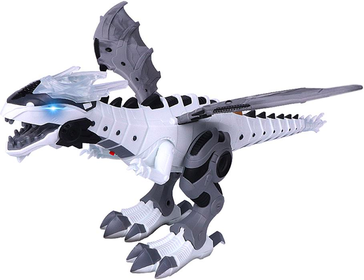
Playful Picks Fire Breathing Roaring Dragon Toy Interactive Walking Dinosaur WhiteIgnite your child's imagination with the Fire Breathing Roaring Dragon Toy, an extraordinary interactive walking dinosaur that transports young adventurers to a prehistoric world filled with aweinspiring dragons and mighty dinosaurs. Perfect for...39,97 $*Shipping: 0,00 $Secure redirect to the provider
-
Uplift Curations Game Of Thrones Tapestry Flag Medieval Fantasy Wall Banner blackTurn your space into a scene straight out of Westeros. This Game of Thrones tapestry brings bold, cinematic energy to any room, instantly elevating plain walls into a powerful display of fandom. Designed for fans, collectors, and themed spaces, it...82,50 $*Shipping: 0,00 $Secure redirect to the provider
-
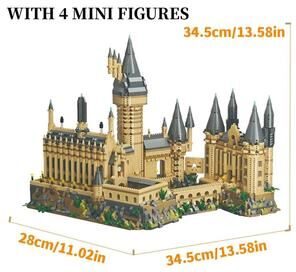
Inspire Select Medieval Magic Castle Micro Building Blocks Fantasy Palace DIY Bricks Set with LightBring fantasy adventures to life with this beautifully detailed magic castle building blocks set designed for creative minds and fantasy lovers. Featuring intricate architecture and enchanting palaceinspired details, this micro bricks castle model...197,98 $*Shipping: 0,00 $Secure redirect to the provider
-
What is the function of the alveoli?
The function of the alveoli is to facilitate the exchange of oxygen and carbon dioxide between the lungs and the bloodstream. This exchange occurs through the thin walls of the alveoli, allowing oxygen to be absorbed into the bloodstream and carbon dioxide to be released from the bloodstream into the lungs to be exhaled. **
-
How does gas exchange work in the alveoli?
Gas exchange in the alveoli occurs through a process called diffusion. Oxygen from the inhaled air passes through the thin walls of the alveoli and into the surrounding capillaries, where it binds to hemoglobin in red blood cells. At the same time, carbon dioxide, a waste product of cellular respiration, diffuses from the blood into the alveoli to be exhaled. This exchange of gases is facilitated by the large surface area and thin walls of the alveoli, as well as the close proximity of the alveoli to the capillaries. **
-
Why does the human have so many alveoli?
Humans have so many alveoli in order to maximize the surface area available for gas exchange in the lungs. The large number of alveoli allows for a greater amount of oxygen to be absorbed into the bloodstream and for carbon dioxide to be released from the bloodstream. This efficient gas exchange is essential for providing oxygen to the body's tissues and removing waste products. The high surface area of the alveoli also helps to maintain the proper balance of gases in the blood. **
-
Would fire-breathing dragons be biologically possible?
No, fire-breathing dragons would not be biologically possible. The ability to breathe fire would require a biological mechanism to produce and expel a flammable substance, as well as a way to ignite it. There are no known biological systems that could accomplish this, and the energy required to produce and expel fire would be impractical for a living organism. Additionally, the heat and pressure from breathing fire would likely be harmful to the dragon's own body. Therefore, fire-breathing dragons are purely a product of mythology and fiction. **
Similar search terms for Alveoli
-
Inspire Curations 45 150cm Game Of Thrones Tapestry Flag Medieval Fantasy Wall Banner Decor blackBring the power and drama of Westeros into your space with this bold Game of Thrones tapestry flag. Featuring iconic houseinspired designs and rich colors, it instantly transforms any wall into a statement of fandom and style. Whether you're...80,50 $*Shipping: 0,00 $Secure redirect to the provider
-
Uplift Curations Game Of Thrones Tapestry Flag Medieval Fantasy Wall Banner redTurn your space into a scene straight out of Westeros. This Game of Thrones tapestry brings bold, cinematic energy to any room, instantly elevating plain walls into a powerful display of fandom. Designed for fans, collectors, and themed spaces, it...82,50 $*Shipping: 0,00 $Secure redirect to the provider
-
Uplift Curations Game Of Thrones Tapestry Flag Medieval Fantasy Wall Banner red BlackTurn your space into a scene straight out of Westeros. This Game of Thrones tapestry brings bold, cinematic energy to any room, instantly elevating plain walls into a powerful display of fandom. Designed for fans, collectors, and themed spaces, it...82,50 $*Shipping: 0,00 $Secure redirect to the provider
-
Inspire Select Medieval Magic Castle Micro Building Blocks Fantasy Palace DIY Bricks Set no LightBring fantasy adventures to life with this beautifully detailed magic castle building blocks set designed for creative minds and fantasy lovers. Featuring intricate architecture and enchanting palaceinspired details, this micro bricks castle model...192,98 $*Shipping: 0,00 $Secure redirect to the provider
-
What anatomical processes promote gas exchange in mammalian alveoli?
Gas exchange in mammalian alveoli is promoted by several anatomical processes. First, the alveoli have a large surface area for gas exchange due to their numerous small sacs. Second, the alveoli are surrounded by a dense network of capillaries, allowing for close proximity between the blood and the air in the alveoli. Third, the alveoli have thin walls, which allows for efficient diffusion of gases between the air in the alveoli and the blood in the capillaries. Finally, the alveoli are lined with a layer of surfactant, which reduces surface tension and prevents the alveoli from collapsing, ensuring efficient gas exchange. **
-
Why does carbon dioxide move from the blood to the lung alveoli and, conversely, oxygen from the lung alveoli to the blood?
Carbon dioxide moves from the blood to the lung alveoli because it is a waste product of cellular respiration and needs to be removed from the body. In the alveoli, it diffuses across the thin membrane and is exhaled out of the body. Conversely, oxygen moves from the lung alveoli to the blood because it is needed for cellular respiration to produce energy. The oxygen diffuses from the alveoli into the blood where it binds to hemoglobin and is transported to the body's tissues. **
-
Is this a good description of gas exchange in the alveoli?
Yes, the description provided is a good overview of gas exchange in the alveoli. It accurately explains how oxygen from inhaled air diffuses across the alveolar membrane into the bloodstream, where it binds to hemoglobin in red blood cells. At the same time, carbon dioxide from the bloodstream diffuses into the alveoli to be exhaled. This process is essential for maintaining the body's oxygen levels and removing carbon dioxide waste. **
-
What is the principle of the surface area enlargement of lung alveoli?
The principle of surface area enlargement of lung alveoli is to maximize the area available for gas exchange. This is achieved through the branching structure of the respiratory tree, which leads to a large number of alveoli. The thin walls of the alveoli and the network of capillaries surrounding them further increase the surface area available for gas exchange. This large surface area allows for efficient exchange of oxygen and carbon dioxide between the air in the alveoli and the blood in the capillaries. **
* All prices are inclusive of VAT and, if applicable, plus shipping costs. The offer information is based on the details provided by the respective shop and is updated through automated processes. Real-time updates do not occur, so deviations can occur in individual cases. ** Note: Parts of this content were created by AI.